
Week two in professor D’Angelo’s class brought the PR industry to our attention. Although the practice is relatively new when compared to other professions, recent trends show that there is a growing demand for PR professionals in the workplace.
This trend is the byproduct of advancements in human methods to communicate. Thirty years ago, companies had strict control of both their messaging and their brand. Now with social media, brands can no longer rest on their laurels. Publics now have greater ability to impact the perception of a company’s brand. In some ways, social media has expedited how companies and organizations react to their publics.
It makes you wonder, what if social media existed during the period of protest and empowerment—1965-1985 — A period that was important to the development of PR. From African-Americans down to college students, America was fed up with the “establishment.” It was like the kid who finally stood up to the bully.
This period was the public’s dream and the establishment’s nightmare. On the publics end, it was the realization that they could be the change
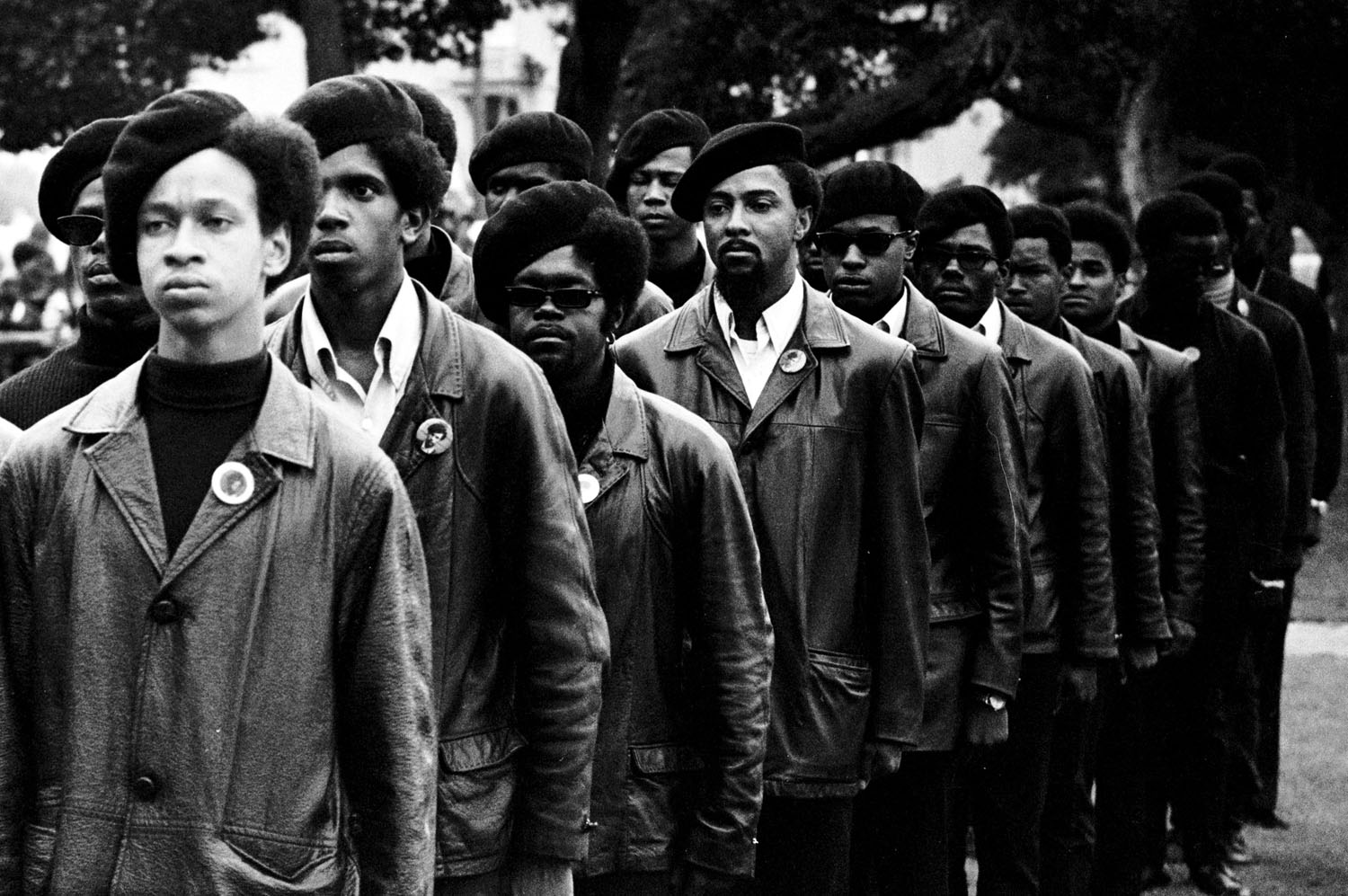
they wanted to see if they strategically mobilized. Leaders such as Dr. King and advocacy groups such as the Black Panther Party are examples of both leaders and groups that rose to prominence during this era. On the establishments end, the control that they once fought to have over their publics quickly evaporated.
From a PR standpoint, this period was known as the “mutual adjustment era.” The establishment had to directly respond to the issues, marking the start of increased corporate social responsibility efforts. On the publics end, this was a period of information and transparency. As Dr. King states, “Public Relations is a very necessary part of any protest of civil disobedience”
In retrospect, the period of protest and empowerment has been a source of influence for various other protests and consumers some examples include #BlackLivesMatter movement and HeForShe movement.

It is great to see the balance of power in regards to company perception. The actions of organizations now more than ever have to match their words. In the long run, this added pressure will make for better relations between organizations and their publics.

About the Black Panther Party: