
Ethics

The huge elephant in the room, or in this case, the country is ethics. Between the surprising presidential run of Donald Trump, his wife Melania Trump, or in this case, Michelle Obama— I admit, her speech made it hard to distinct the two— and his supporters. I wonder if we still have any.
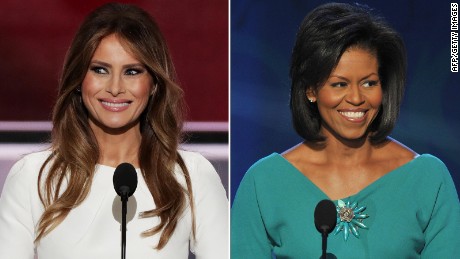
Melania Trump and Michelle Obama


On a serious note, ethics is an extremely important concept within the PR practice. It is so important that the Public Relations Society of America established a code of ethics, that set a standard for ethical behavior and proper trust building. Within the PRSA’s code of ethics, there are six key provisions and they are as follows, free flow
of information, competition, disclosure of information, safeguarding confidences, conflicts of interest and enhancing the profession.

Provision one —free flow of information— stresses the importance of not shielding any information whether it is good, or bad from the public. Provision two—competition— expresses that individuals shouldn’t tamper with their competition. That competition should be fair. Provision three— disclosure of information— advocates for individuals having the right to have access to all information needed to make well-informed decisions. Provision four— safeguarding confidences— seeks to make sure that all private and personal information is protected. Provision five— conflicts of interest— stresses that practitioners much act solely in the interest of their client and employer. Lastly, provision six— enhancing the profession—tasks practitioners to improve, build and maintain respect for the PR profession through their work.

The provision that interests me the most is the disclosure of information. Many organizations have a hard time with this particular provision. Not just during situations of crisis, but in general. Part of what makes organizations thrive is the fact that their publics aren’t informed well enough on how they operate. I don’t believe that ethics are practiced to the fullest extent within most organizations. There is a lot of shadiness that goes on behind the scenes and until it affects profit, you will never see the proper disclosure of information.

It is part of the reason why publics have a hard time trusting organizations. As PR practitioners, this makes our job of being transparent within our messaging difficult and it is a topic that we sadly have to tread lightly. We may act ethically while in our organizations, but in the process, we will continue to wonder to what extent.

Link to Melania Trump’s speech:

https://www.youtube.com/watch?v=RcbiGsDMmCM

Link to PRSA’s member code of ethics:

https://www.prsa.org/aboutprsa/ethics/codeenglish#Competition
 

Important periods within PR

Week two in professor D’Angelo’s class brought the PR industry to our attention. Although the practice is relatively new when compared to other professions, recent trends show that there is a growing demand for PR professionals in the workplace.

This trend is the byproduct of advancements in human methods to communicate. Thirty years ago, companies had strict control of both their messaging and their brand. Now with social media, brands can no longer rest on their laurels. Publics now have greater ability to impact the perception of a company’s brand. In some ways, social media has expedited how companies and organizations react to their publics.

Vietnam Protesters

It makes you wonder, what if social media existed during the period of protest and empowerment—1965-1985 — A period that was important to the development of PR. From African-Americans down to college students, America was fed up with the “establishment.” It was like the kid who finally stood up to the bully.

This period was the public’s dream and the establishment’s nightmare. On the publics end, it was the realization that they could be the change

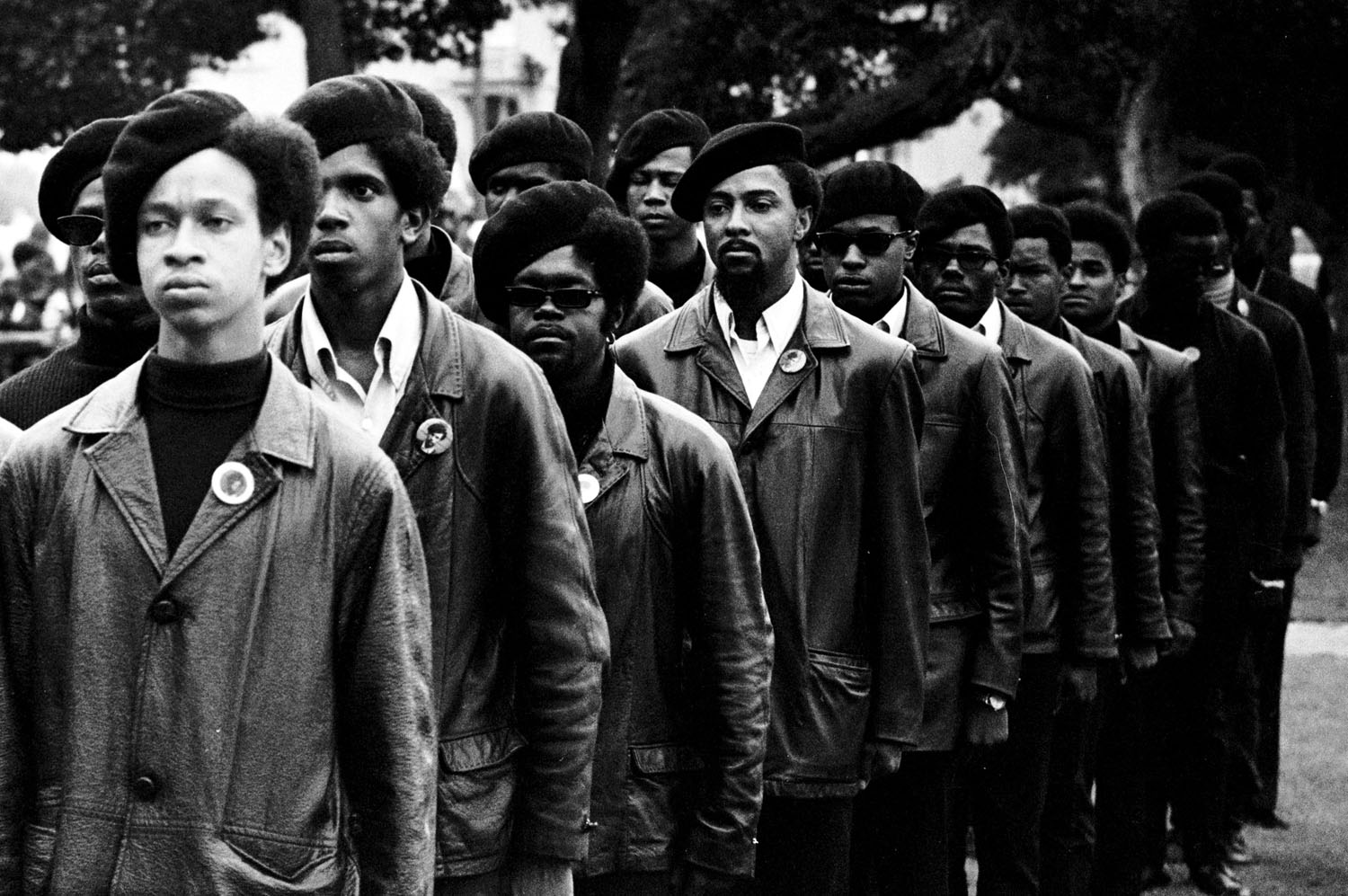
The Black Panther Party

they wanted to see if they strategically mobilized. Leaders such as Dr. King and advocacy groups such as the Black Panther Party are examples of both leaders and groups that rose to prominence during this era. On the establishments end, the control that they once fought to have over their publics quickly evaporated.

From a PR standpoint, this period was known as the “mutual adjustment era.” The establishment had to directly respond to the issues, marking the start of increased corporate social responsibility efforts. On the publics end, this was a period of information and transparency. As Dr. King states, “Public Relations is a very necessary part of any protest of civil disobedience”

In retrospect, the period of protest and empowerment has been a source of influence for various other protests and consumers some examples include #BlackLivesMatter movement and HeForShe movement.

HeForShe poster

It is great to see the balance of power in regards to company perception. The actions of organizations now more than ever have to match their words. In the long run, this added pressure will make for better relations between organizations and their publics.

BLM Protesters


About the Black Panther Party:

https://www.youtube.com/watch?v=Tlw_Kp0By10

Story craft within PR

Loved professor Anthony D’Angelo’s commentary in regards to the topic of story craft within PR. Key points were Trust, Barack Obama and the Narrative Arc.

Renee Blodgett’s definition of PR, is the idea that PR is about mastering human relationships. That if creating relationships is placed at the forefront, PR has the ability to uplift people. This ideology is key because it helps you understand that PR is not about business first. You need to genuinely care about your publics. Indirectly, you receive the benefit of a stronger brand. Many companies fail at this very simple concept due to PR being “corporate-driven.”

As with any and all forms of communication, the concept of trust is key in creating and maintaining relationships. Many companies now have
a hard time establishing that trust simply because they lack elements of story craft. To make matters worse, it’s hard for companies to establish an effective story because there is no proper representation of both ideas and demographics that reflect the publics, who can impact the abilities of organizations. There may be messaging placed everywhere but, we only let the ones we trust into our minds. That trust is established through story. However, to have a great story there must be commonalities, proper representation and lastly, messaging has to be relatable.

Representation is key because as humans we all don’t share the same life narrative. For example, the perspective of a White male that grew up in the suburbs cannot easily relate to an African-American male or female that grew up in the inner-city. This matters within the context of PR because commonalities create relationships. It is why President Barack Obama– then senator – was able to deliver such an amazing speech back in the 2004 Democratic convention.

President Barack Obama

Let’s break down through the use of  “the Narrative Arc” why his message was so effective. In his speech, we could identify a protagonist. In this case, Obama. His rising action, which was, his struggles growing up as the son of a Kenyan father and White mother from Kansas. Through his story, Obama addressed the crisis that America was being divided. In that short time frame, he made his audience believe most importantly, he made the audience feel included.

As Patric Jackson states,

“People want to be served,
not sold. Involved, not told.”


Link to Obama’s 2004 Democratic convention speech: https://www.youtube.com/watch?v=dYAr4lhPb_s